Degree with IAS in Kerala: How UPSC Preparation Can Begin During Graduation
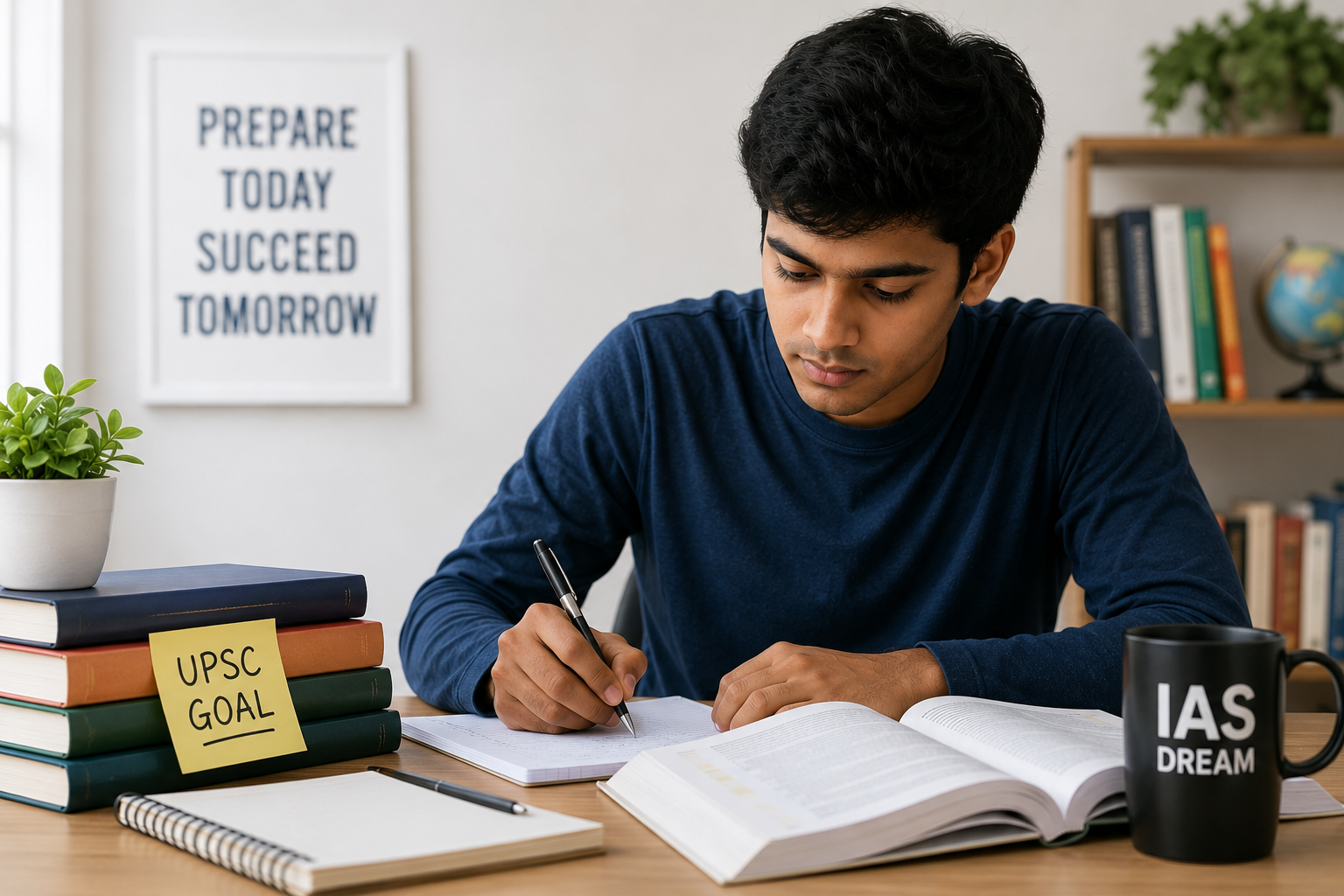
Degree with IAS in Kerala offers an opportunity to think about UPSC preparation differently: instead of waiting until graduation is complete, students can begin developing civil-services-oriented knowledge and skills alongside their regular degree studies. For students who are already considering a career in public service, the college years can be a valuable period for building conceptual understanding, reading habits, current-affairs awareness and analytical thinking.
The years spent pursuing a degree can shape how a student approaches competitive examinations later. However, beginning UPSC preparation during college does not mean trying to follow an intensive full-time coaching schedule while managing regular academic responsibilities. The more useful approach is to build a structured foundation that complements the student's degree rather than competing with it.
This is where the idea behind Degree with IAS becomes relevant. Compass IAS Academy's Degree with IAS is an add-on UPSC preparation track delivered through partner degree colleges in Kerala. It is not a standalone program that individual students apply to directly. Institutions apply for the collaboration, and the program is made available to eligible students through the partner college. This model allows civil-services preparation to become part of the broader college learning environment.
Starting during graduation can help students gradually become familiar with the areas of knowledge that are important for civil-services preparation. A student does not need to master the entire UPSC syllabus during college. Instead, the focus can be on developing a strong foundation and learning how to approach subjects with curiosity and analytical thinking.
One of the most valuable habits a degree student can develop is the ability to read beyond textbooks. UPSC preparation involves understanding developments in society, governance, economy, politics, the environment and international affairs. Regular exposure to current affairs can help students begin connecting what they learn academically with what is happening around them.
Current affairs, however, should not become a process of memorising daily headlines. The more useful question is often: Why does this issue matter? What is its background? Who is affected by it? What are the different perspectives? How does it connect with governance, society or public policy? Developing this way of thinking during college can strengthen a student's analytical abilities over time.
Degree-level UPSC preparation can also help students develop communication skills. Civil-services preparation eventually requires candidates to express their understanding clearly, both in writing and through discussion. Reading, writing, presentations, discussions and debates can therefore be valuable long before a student becomes a full-time UPSC aspirant.
Another advantage of beginning early is that students have time to develop their study habits gradually. UPSC preparation is a long process, and consistency matters. A degree student who learns how to read regularly, make useful notes, revise, discuss ideas and assess their own understanding may enter post-graduation preparation with a stronger foundation than someone encountering these habits for the first time.
The role of mentorship is also important. Students can have questions about subjects, career choices, current affairs, study methods and how their academic interests connect with civil-services preparation. Guidance during the degree years can help students make more informed decisions about their future preparation instead of approaching the UPSC examination without understanding what the journey requires.
At Compass IAS Academy, the broader educational philosophy is centred on analytical thinking, character development and competence rather than rote memorisation. The same principle is relevant when thinking about UPSC preparation during graduation. Students should not simply accumulate information. They should learn how to understand an issue, examine different viewpoints and communicate their reasoning.
The faculty experience behind such preparation also matters. The Compass IAS team has first-hand experience of the UPSC journey. As a team, the educators have cleared the UPSC Civil Services Preliminary Examination multiple times and have appeared at the UPSC Interview stage. Each faculty member has cleared the Preliminary Examination at least twice. This experience provides students with guidance informed by actual exposure to the demands of civil-services preparation.
Degree with IAS also recognises that students may have interests beyond UPSC alone. The program includes orientation towards State PSC and CUET as well. For students in Kerala, exposure to civil-services and public-sector competitive examinations during college can therefore help them understand different pathways while they continue their regular degree education.
The college-based model is particularly relevant because the degree itself remains an important part of the student's academic journey. UPSC preparation should complement that education rather than encourage students to neglect their university studies. Developing a strong academic foundation while gradually building civil-services-oriented skills can create a more balanced approach.
For students considering a degree in areas such as Political Science, Public Policy or Sociology, the connection with civil-services preparation can be especially interesting. Academic study in these areas can encourage students to think about institutions, society, governance and public policy. At the same time, UPSC preparation can broaden the way they look at these subjects by connecting them with current developments and wider national issues.
Students and parents should also understand how the Degree with IAS model works before looking for admission. Because it is delivered through partner degree colleges, individual students do not apply directly to Compass IAS for the program. The relevant college enters into the partnership, after which the program can be offered through that institution.
Beginning UPSC preparation during graduation is ultimately about using the college years wisely. It is not about rushing through the syllabus years before the examination. It is about developing the habits and abilities that will make later preparation more effective: reading widely, following current affairs, thinking analytically, communicating clearly, practising consistently and learning from guidance.
For students in Kerala who are considering civil services as a future career, Degree with IAS represents one way of bringing that foundation into the college years. Through its partner-college model, Compass IAS aims to connect degree education with structured civil-services preparation while helping students build the knowledge, thinking skills and confidence needed for the next stage of their journey